
TOENAIL FUNGUS TREATMENT IN SUGAR LAND, TX
We use the Lunula laser—the only FDA-approved cold laser treatment for toenail fungus. It’s painless, reaches the infection beneath the nail, and delivers a 95% success rate
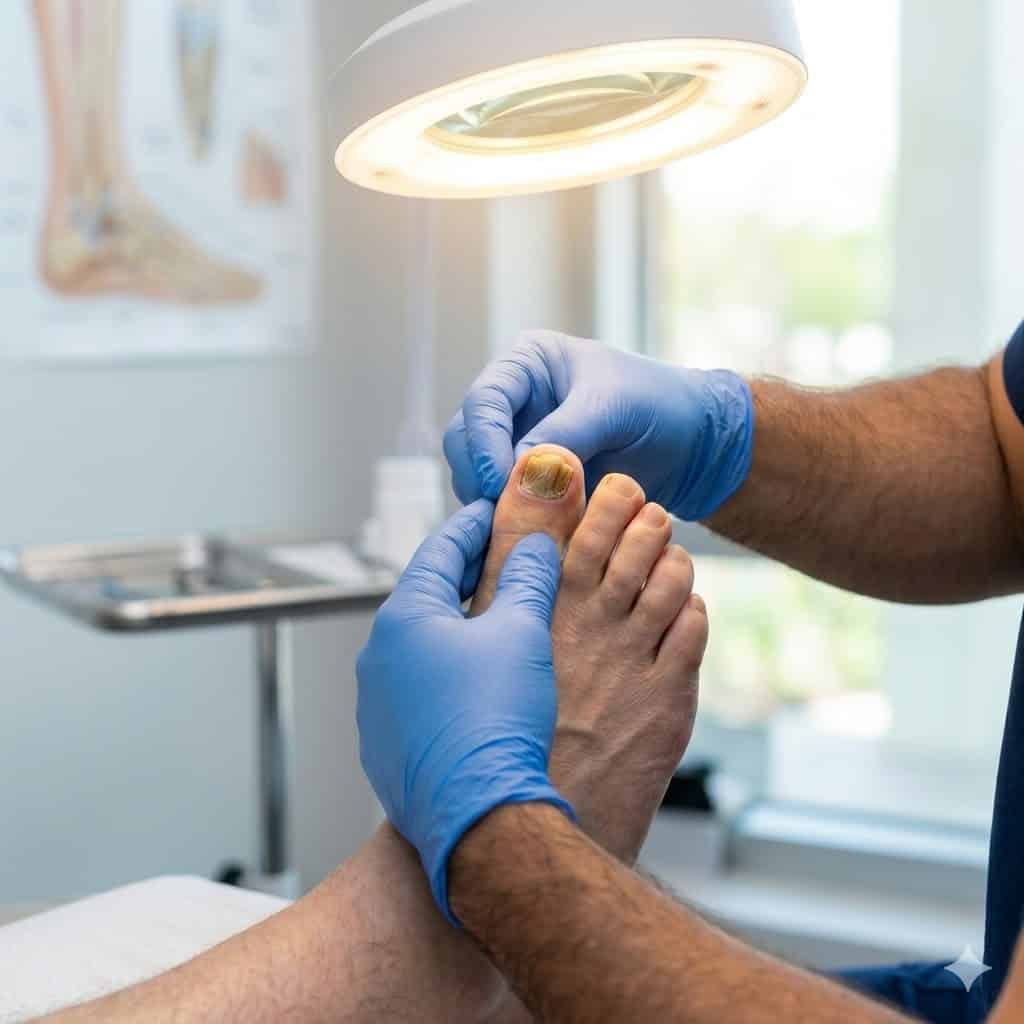
Creams and polishes only touch the surface of the nail. Toenail fungus lives in the skin beneath it—that’s why they don’t work.
Oral medications treat your whole body for a localized problem and require blood tests to monitor liver function. For most people, that’s overkill.
Toenail fungus is contagious. It can easily spread to other toes and to people in your home. Treating it early keeps others safe.
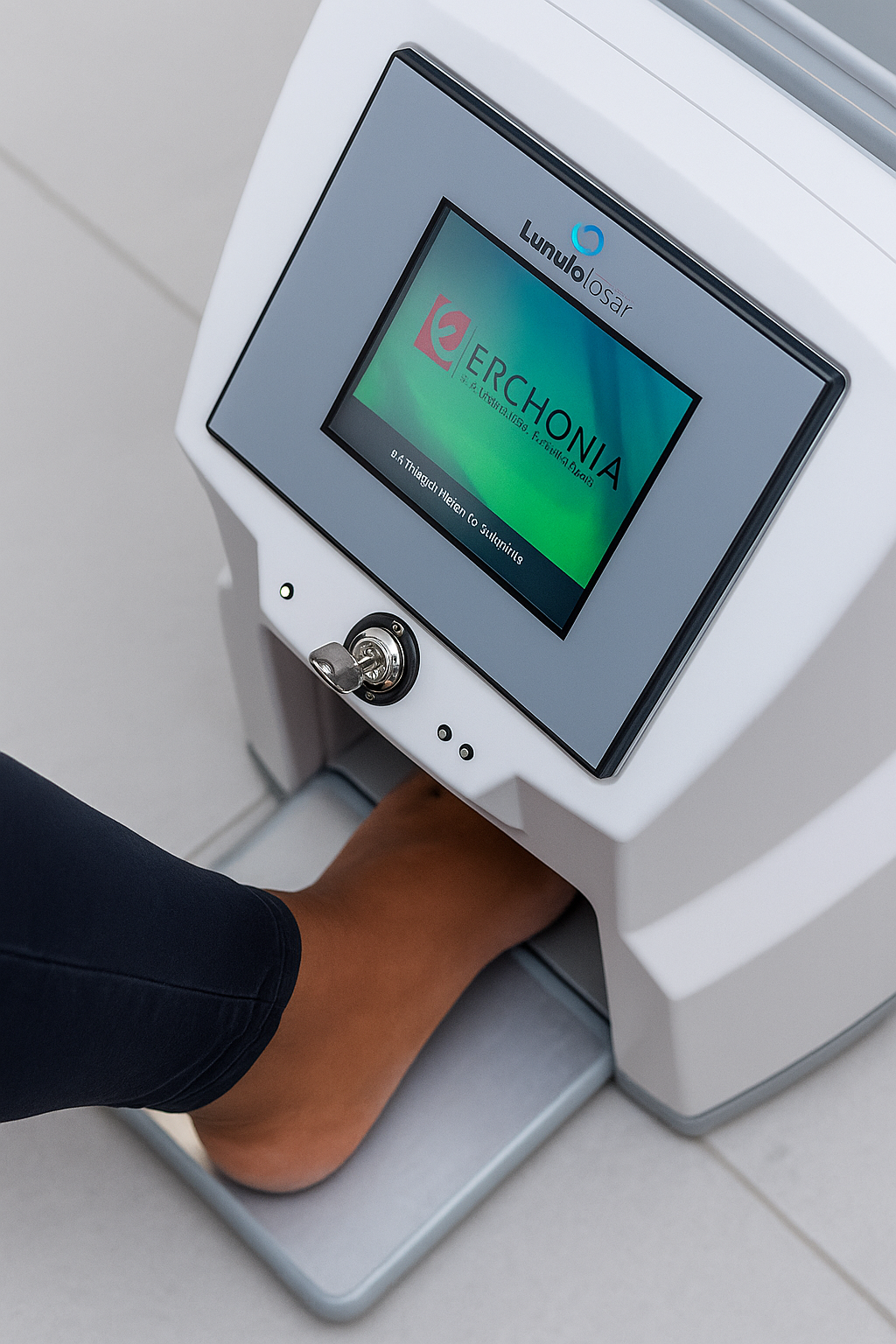

Schedule an appointment, and we’ll assess the problem. If toenail fungus is the culprit, you have the option of receiving your first laser treatment the same day.

Most patients need six treatments, each taking about 12 minutes per foot. They’re painless, and you can go right back to your day. We’ll also send you home with a medical-grade topical that supports the laser and keeps fungus from returning.

As treatment does its job, new, healthy nail grows in as the damaged nail grows out. One maintenance treatment every six months helps keep it that way.

Most patients notice one or more of the following:
Thickened nails that are hard to trimYellow, white, or brown discolorationBrittle, crumbly, or distorted nailsNails that lift or change shapePressure or discomfort in shoesSpread to nearby nails over time
While it’s often dismissed as cosmetic, thickened nails can lead to shoe pressure, ingrown toenails, and infection—especially in people with diabetes.
No. Not every abnormal nail is fungal. Trauma, psoriasis, yeast infections, and other conditions can look similar.
That’s why we confirm what’s actually causing the problem before treating it. In some cases, we may recommend a nail biopsy so you’re not wasting time or money treating the wrong condition.
No. Not every abnormal nail is fungal. Trauma, psoriasis, yeast infections, and other conditions can look similar.
That’s why we confirm what’s actually causing the problem before treating it. In some cases, we may recommend a nail biopsy so you’re not wasting time or money treating the wrong condition.
No. Lunula uses cold-laser technology, meaning:
No heatNo burningNo anesthesiaNo pain
Some lasers generate heat and can be uncomfortable. Lunula does not. Most patients don’t feel anything during treatment.
Each session takes about 12 minutes per foot. Appointments are quick, and there’s no downtime—you can go right back to your normal day.
Most patients need six Lunula laser treatments to clear the infection. Treatments are typically spaced weekly. We’ll review the plan and set expectations before you begin.
New, healthy nail grows slowly—about 1 millimeter per month—but the transformation is steady and predictable. Most patients begin noticing early improvements before the nail fully grows out, including:
Reduced discolorationA thinner, healthier nail plateA more normal nail shape returningNo further spread to other nails
Toenail fungus can come back if it’s allowed to re-establish itself over time.
Even after treatment, fungus can linger in shoes and shared spaces. That’s why we recommend a simple maintenance treatment every six months to help keep it from coming back as new nail grows in.
Yes. The Lunula laser is non-invasive and does not affect the bloodstream, making it a safe option for diabetic patients. This is one reason we prefer it over oral medications.
Oral antifungal medications treat the entire body for a problem that’s localized to the nail. They require blood tests to monitor liver function, can interact with other medications, and may cause side effects.
For many patients, that level of risk and monitoring isn’t necessary when a targeted, non-invasive option is available.
Yes. Toenail fungus can spread to other toes and to people you live with through shared footwear, floors, and environments. Treating it early helps limit spread and makes it easier to control.
Yes. If toenail fungus is confirmed and you’re ready to move forward, you can begin your first Lunula laser treatment the same day.
Insurance typically covers your evaluation and any necessary diagnostics, but advanced laser treatment for toenail fungus is not usually covered by most health plans.
That’s because insurers often classify laser therapy for toenail fungus as elective rather than medically necessary, even though untreated fungus can worsen over time and lead to complications. Because this is still a medical treatment, some patients choose to use FSA or HSA funds when insurance doesn’t apply.
We’ll review your personalized treatment plan and costs upfront so you know exactly what to expect before deciding how to move forward.
Clinical studies report 95% clinical improvement with the Lunula laser. We’re confident in this approach because we see consistent, reliable results in real patients treated in our office.