
BUNION TREATMENT IN SUGAR LAND, TX
Most bunions don’t need surgery—especially early on.
They need the right diagnosis, pressure relief, and biomechanical correction to slow progression and control pain.
That’s where conservative care works best.
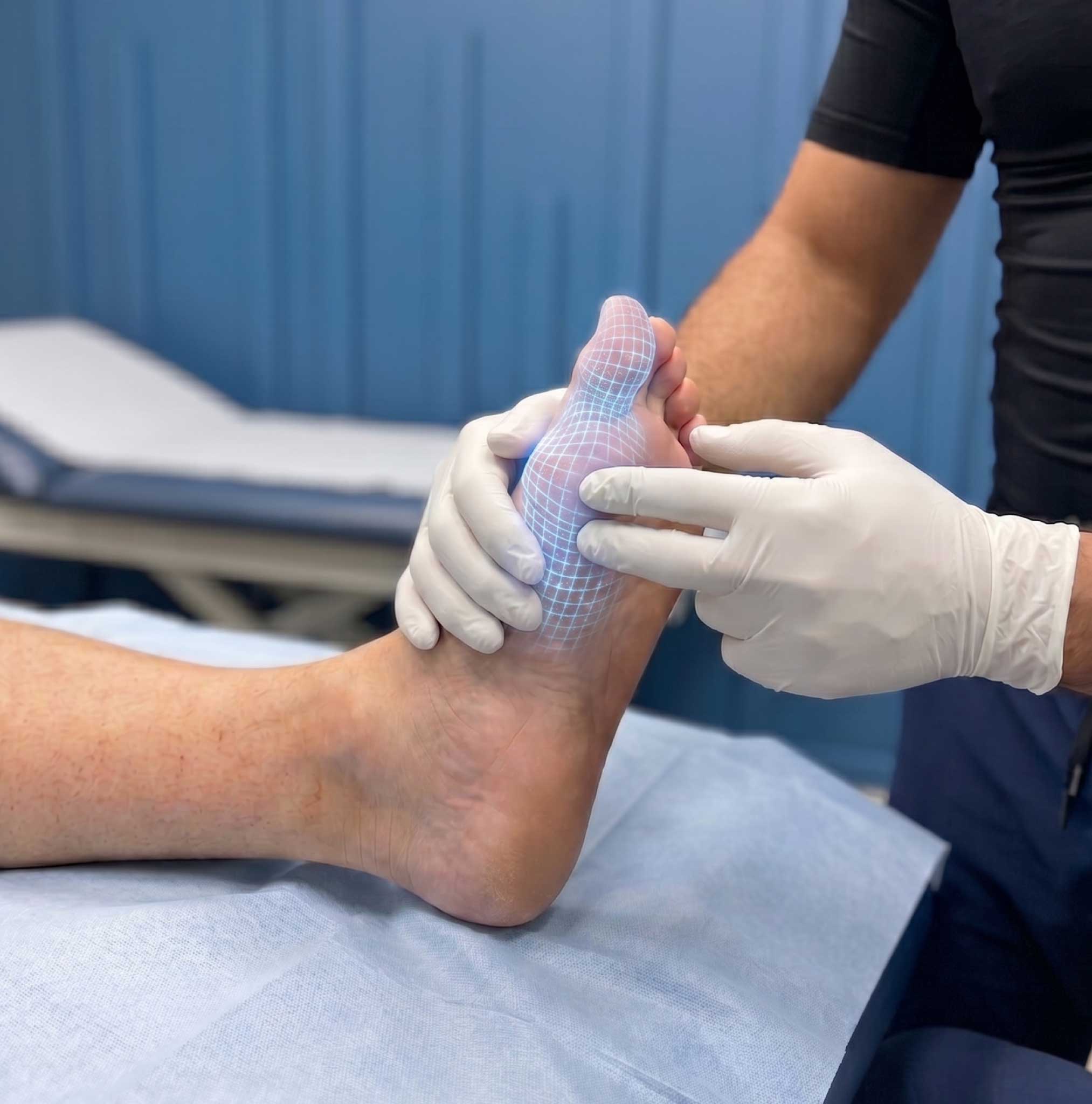
Foot structure
Abnormal mechanics
Excess pressure and shear forces
Time

Helpful, but they don’t correct mechanics.
They reduce friction, not progression.
Temporary relief. No structural change.
The most common—and most costly—approach long term.
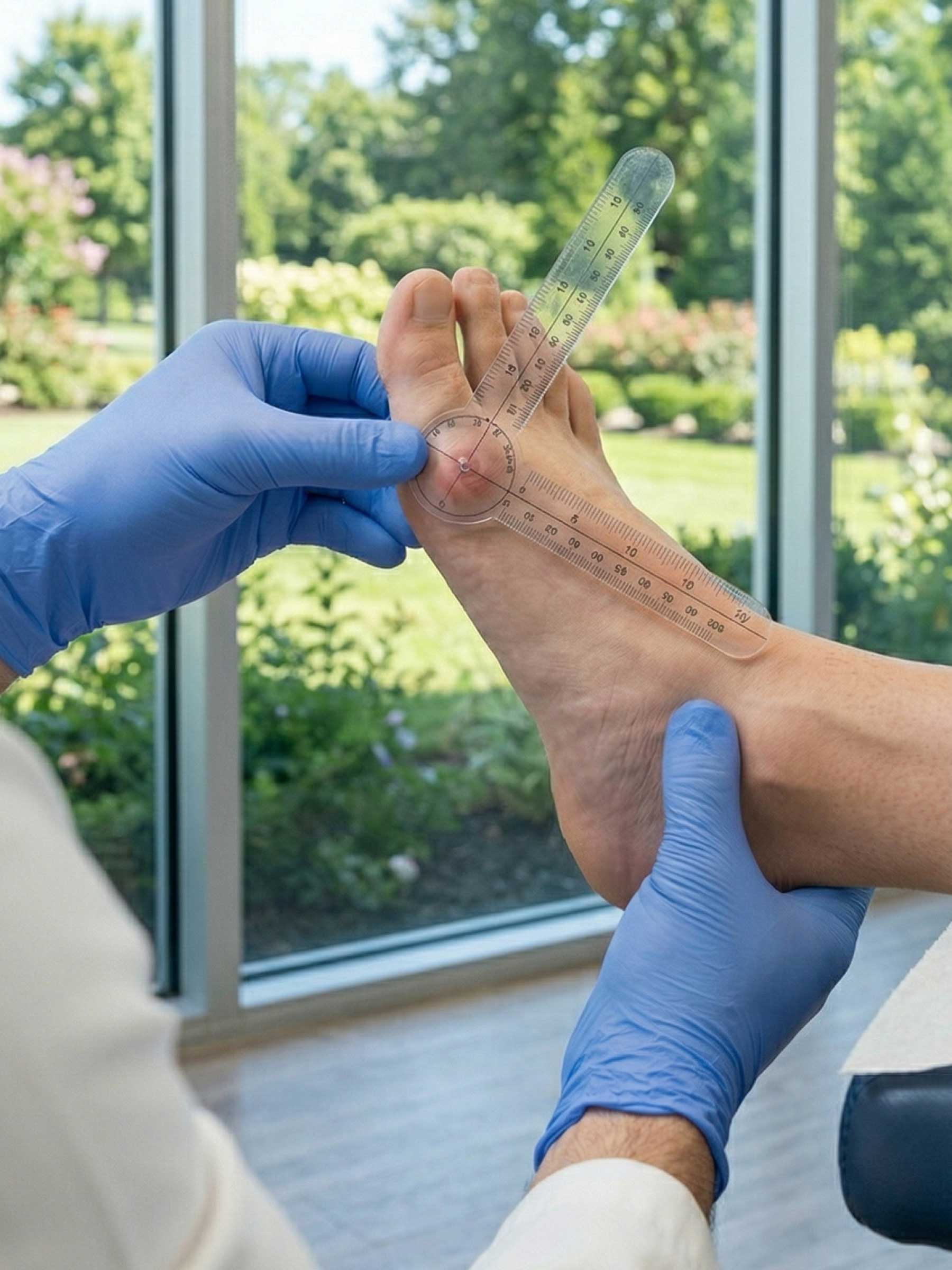
Custom orthotics to realign forces
Targeted padding and offloading
Shoe guidance specific to your foot type
Physical therapy and joint mobility strategies
Anti-inflammatory modalities when appropriate

We examine your foot structure, joint alignment, and gait to determine the severity and stability of the bunion.

We design a conservative plan to reduce pressure on the joint and slow progression—customized to your lifestyle and activity level.

With the right support and monitoring, many patients maintain comfort and function for years without surgery.
No. Many remain manageable for years with proper care.
It won’t reverse the deformity—but it can control symptoms and progression.
When pain persists despite proper conservative care or joint damage becomes severe.
Not usually. Surgery is best reserved for cases that truly require it.
For many patients, yes. They address the mechanics driving the bunion.
Absolutely—with the right support and management.
In most cases, yes.