
SPORTS INJURY TREATMENT IN SUGAR LAND, TX
Sports injuries don’t just affect competitive athletes.
They affect runners, pickleball players, golfers, gym-goers, and anyone who wants to stay active without pain.
The biggest mistake people make isn’t pushing too hard.
It’s treating pain instead of healing the tissue and addressing the underlying cause.
Our approach is conservative, precise, and performance-focused—designed to get you back to movement safely, without rushing to surgery.
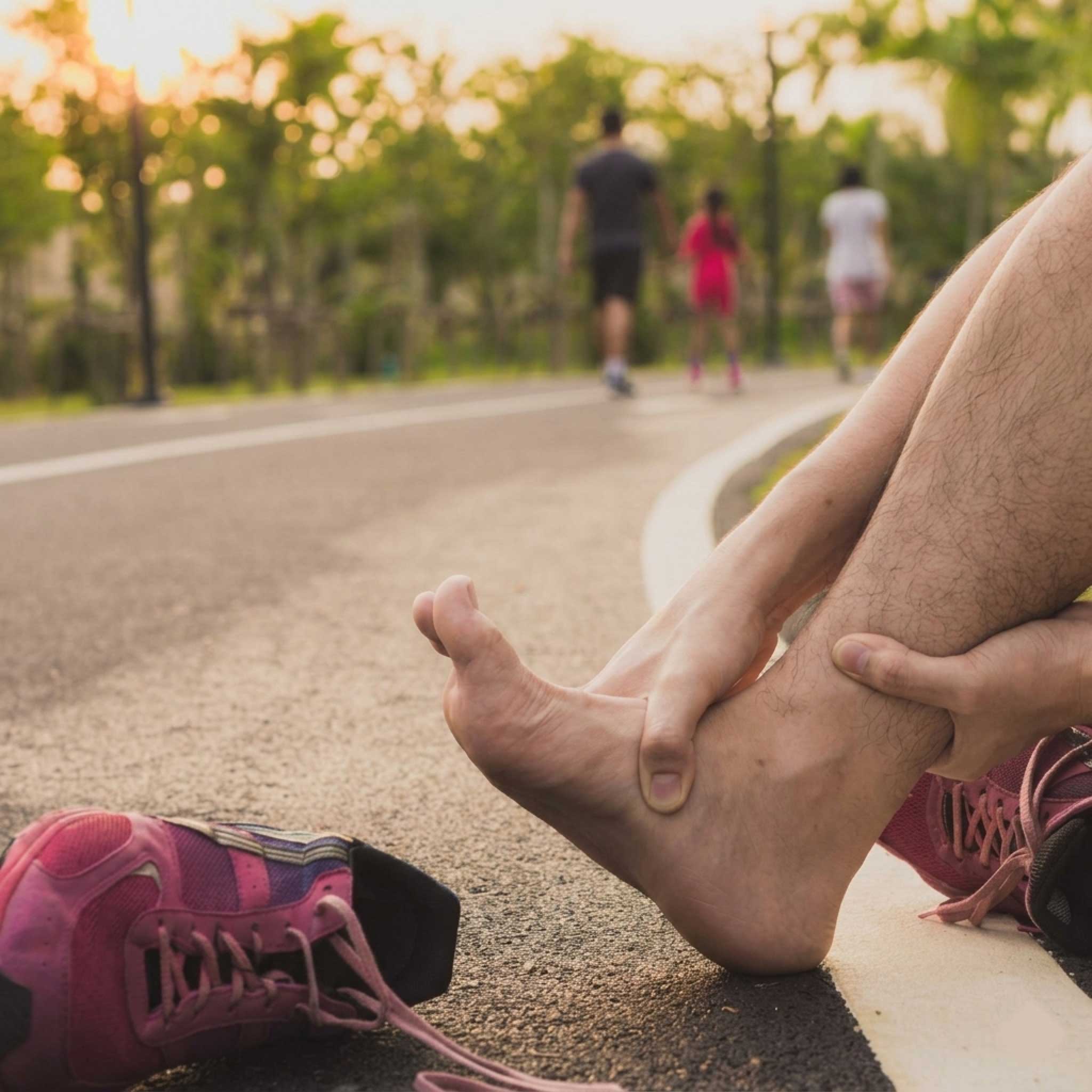
Micro-tears in tendon or ligament tissue
Inflammation that quiets but doesn’t resolve
Poor blood flow that slows healing
Compensation patterns/faulty biomechanics that overload other structures

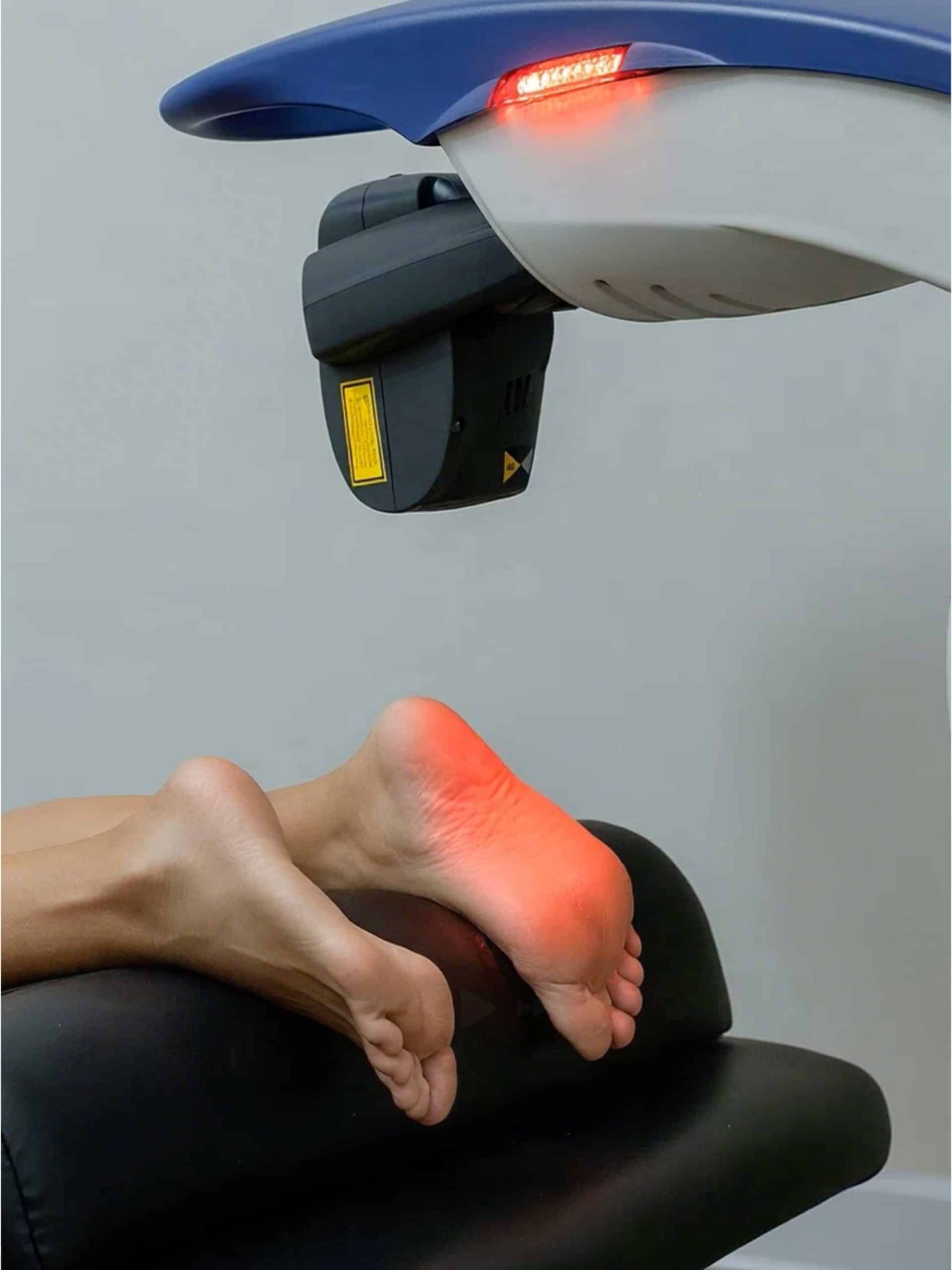
Shockwave therapy to restart tendon and ligament repair
MLS laser therapy to reduce inflammation and accelerate recovery
Targeted rehabilitation and load management
Biomechanical correction to prevent repeat injury
Imaging is a tool, not a reflex.
We order X-rays, ultrasound, or MRI only when the result changes the plan, such as when:
If imaging won’t change what we do next, it usually isn’t needed.
Reduce inflammation
Support tendon and ligament healing
Improve tissue quality in chronic injuries

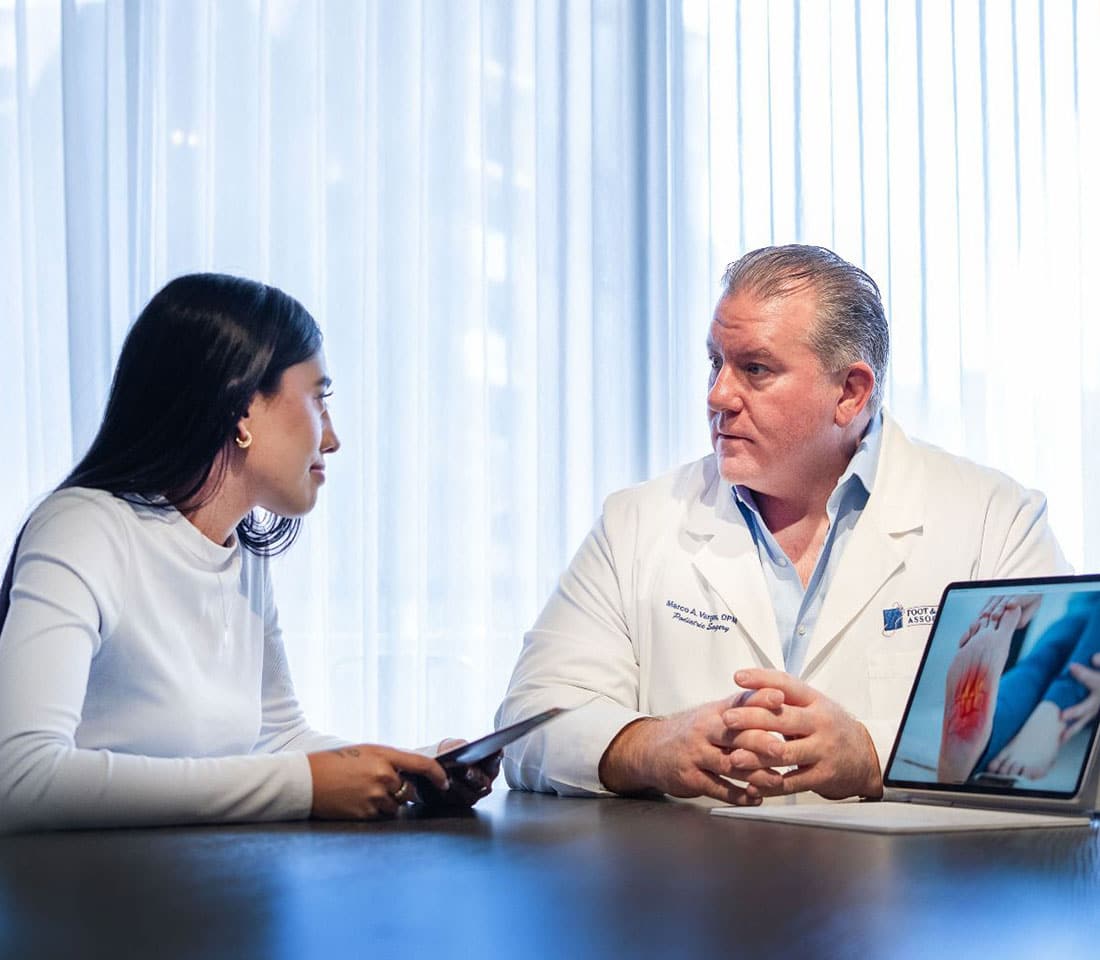
We identify the exact structure involved and determine the least aggressive treatment that still promotes healing.

Your plan is customized to the injury, the sport, and your goals—not a generic protocol.
We guide a controlled return to activity to reduce reinjury and build resilience.
“My son plays competitive soccer and had ankle pain that wouldn’t go away. We were worried he’d miss the season. Instead of rushing imaging or surgery, Dr. Vargas treated it with shockwave and MLS laser and he’s back playing—and stronger.”
“I’m a runner, not a pro—but I want to stay active. I’d been dealing with Achilles pain for several months. The plan here was painless, fast and it worked. Five weeks later I’m running pain-free again.”
Not unless it changes the plan.
Rarely. Most patients stay active with modifications.
That depends on the injury and how long it’s been present—but most patients are better in 4-6 weeks.
No. Surgery is reserved for cases that truly require it.
Yes