
SPORTS INJURY TREATMENT IN SUGAR LAND, TX

Pain slowing you down—or keeping you out?

Let’s fix the injury, not just manage the symptoms.

Sports injuries don’t just affect competitive athletes.
They affect runners, pickleball players, golfers, gym-goers, and anyone who wants to stay active without pain.
The biggest mistake people make isn’t pushing too hard.
It’s treating pain instead of healing the tissue and addressing the underlying cause.
Our approach is conservative, precise, and performance-focused—designed to get you back to movement safely, without rushing to surgery.
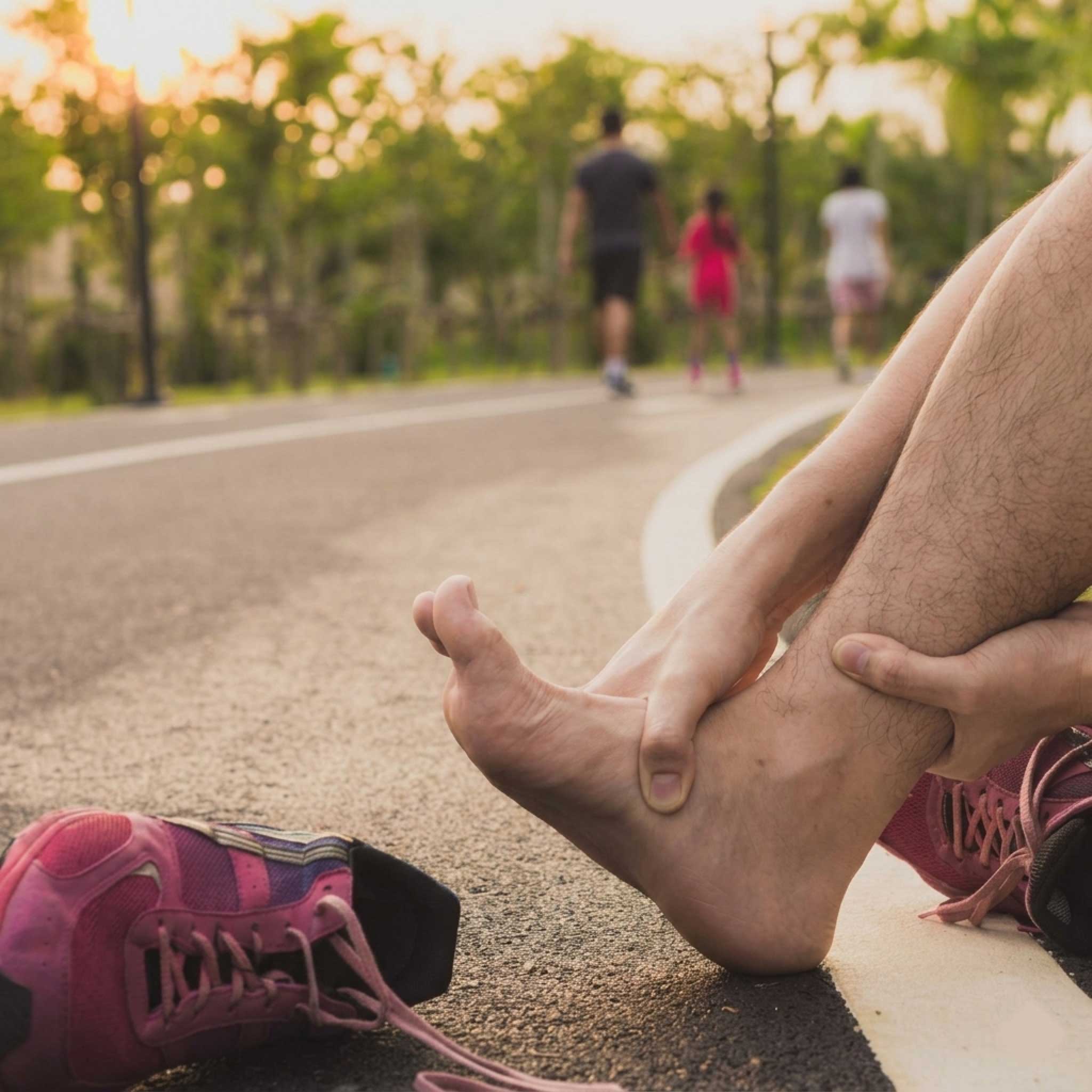
If pain keeps coming back…

If rest helps but never fully solves the problem…

That’s not bad luck or aging.

That’s an injury that never healed correctly.

Why plantar warts are so hard to get rid of

Most sports injuries involve:

Micro-tears in tendon or ligament tissue

Inflammation that quiets but doesn’t resolve

Poor blood flow that slows healing

Compensation patterns/faulty biomechanics that overload other structures

Pain may fade with rest—but the tissue remains vulnerable.
Return to activity too soon, and the cycle repeats.

True recovery requires stimulating repair, not just waiting it out.

Maybe you’ve already tried…

Rest, ice, and anti-inflammatories

Bracing or taping

Stretching or general physical therapy

“Pushing through it”

These approaches aren’t wrong—but on their own, they often fall short once healing has stalled.

Our approach: conservative first, regenerative when appropriate

We don’t start with imaging, injections, or surgery.

We start with a focused clinical diagnosis and escalate only when it makes sense.

Most patients improve with advanced conservative care that actively stimulates healing, including:

Shockwave therapy to restart tendon and ligament repair

MLS laser therapy to reduce inflammation and accelerate recovery

Targeted rehabilitation and load management

Biomechanical correction to prevent repeat injury

The goal is not just relief—but durability.

>>

When imaging is necessary

Imaging is a tool, not a reflex.

We order X-rays, ultrasound, or MRI only when the result changes the plan, such as when:

    Pain persists despite appropriate treatment

    A stress fracture or full-thickness tear is suspected

    Instability, swelling, or deformity is present

    Return-to-play decisions require confirmation

    If imaging won’t change what we do next, it usually isn’t needed.

    When healing stalls: biologics and peptides

    In select cases—especially chronic or degenerative injuries—standard conservative care may not be enough.

    When appropriate, we may recommend biologic support to enhance tissue repair.

    Dr. Vargas uses a placental-derived tissue allograft used to:

    Reduce inflammation

    Support tendon and ligament healing

    Improve tissue quality in chronic injuries

    These injections are not steroids and do not weaken tissue.
    They are considered carefully, not routinely.

    Dr. Vargas also prescribes clinically supervised peptides in appropriate cases to:

    Support tissue repair signaling

    Enhance collagen synthesis

    Improve recovery between treatments

    Peptides are used as adjuncts, not shortcuts—and only when clinically appropriate.

    What you can expect.

    Most patients begin treatment at their first visit—here’s how it works:

    Confirm

    We identify the exact structure involved and determine the least aggressive treatment that still promotes healing.

    Heal

    Your plan is customized to the injury, the sport, and your goals—not a generic protocol.
    Return

    We guide a controlled return to activity to reduce reinjury and build resilience.
    Recovery that respects your lifestyle

    Most patients remain active during treatment—with smart modifications.

    Healing is progressive, measurable, and sustainable.

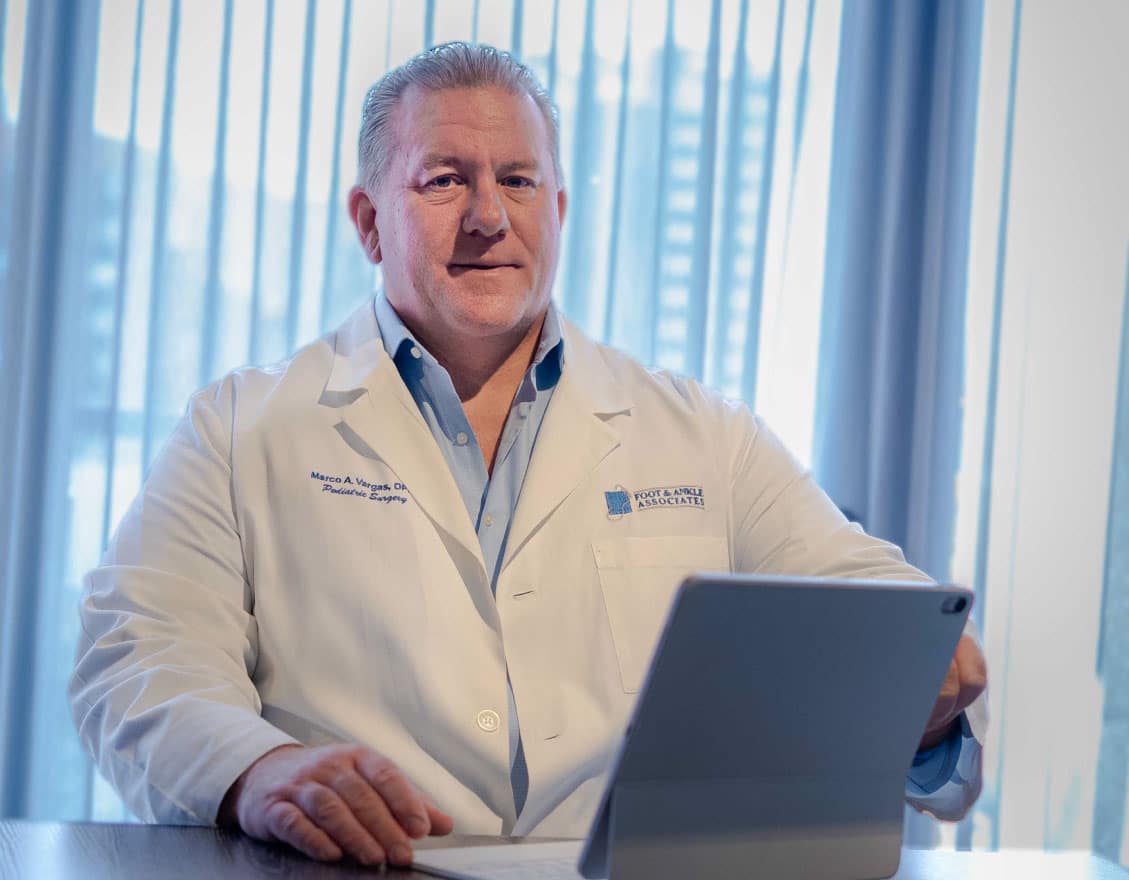
    “The biggest mistake I see with sports injuries is either ignoring them or rushing treatment. When we address injuries early and escalate care thoughtfully, patients heal faster and avoid chronic problems. Conservative care, done correctly, keeps people moving.”

    Dr. Marco Vargas

    Real patient experiences

    “My son plays competitive soccer and had ankle pain that wouldn’t go away. We were worried he’d miss the season. Instead of rushing imaging or surgery, Dr. Vargas treated it with shockwave and MLS laser and he’s back playing—and stronger.”

    — Parent of youth athlete

    “I’m a runner, not a pro—but I want to stay active. I’d been dealing with Achilles pain for several months. The plan here was painless, fast and it worked. Five weeks later I’m running pain-free again.”

    — Adult recreational athlete

    Injuries we commonly treat

    Achilles and tendon injuries

    Ankle sprains and instability

    Overuse and stress injuries

    Plantar fascia and heel pain

    Forefoot and midfoot injuries

    You may still be wondering…

    Will I need imaging right away?

    Not unless it changes the plan.

    Will I have to stop exercising completely?

    Rarely. Most patients stay active with modifications.

    How long does recovery take?

    That depends on the injury and how long it’s been present—but most patients are better in 4-6 weeks.

    Is surgery the end goal?

    No. Surgery is reserved for cases that truly require it.

    Can I start treatment the same day?

    Yes

    Sports injuries don’t need guesswork.

    They need precision and timing.

    Treat the injury properly now—and keep doing what you love.

    📞 Call (281) 313-0090 to schedule your evaluation